

Moulin Rouge! The Musical
Mo Cross reviews at the Hippodrome
From the first moment of walking into the Hippodrome theatre, the Moulin Rouge was alive for me. A giant elephant’s head peering down into the stalls on my right and the iconic windmill lit up to my left, the neon lights across centre stage spell out the name of the world’s most famous cabaret and the ensemble prowl behind it, watching the audience watch them. It was the beginning of the spectacle, from sword swallowing to confetti canons, and the cast and crew pulled it off with such precision that I spent almost three hours immersed in the heady romance of Paris, 1899 at the same time reliving the romantic idealism of my teenage years recalled by songs like The Postal Service’s Such Great Heights and Don’t Speak by No Doubt.
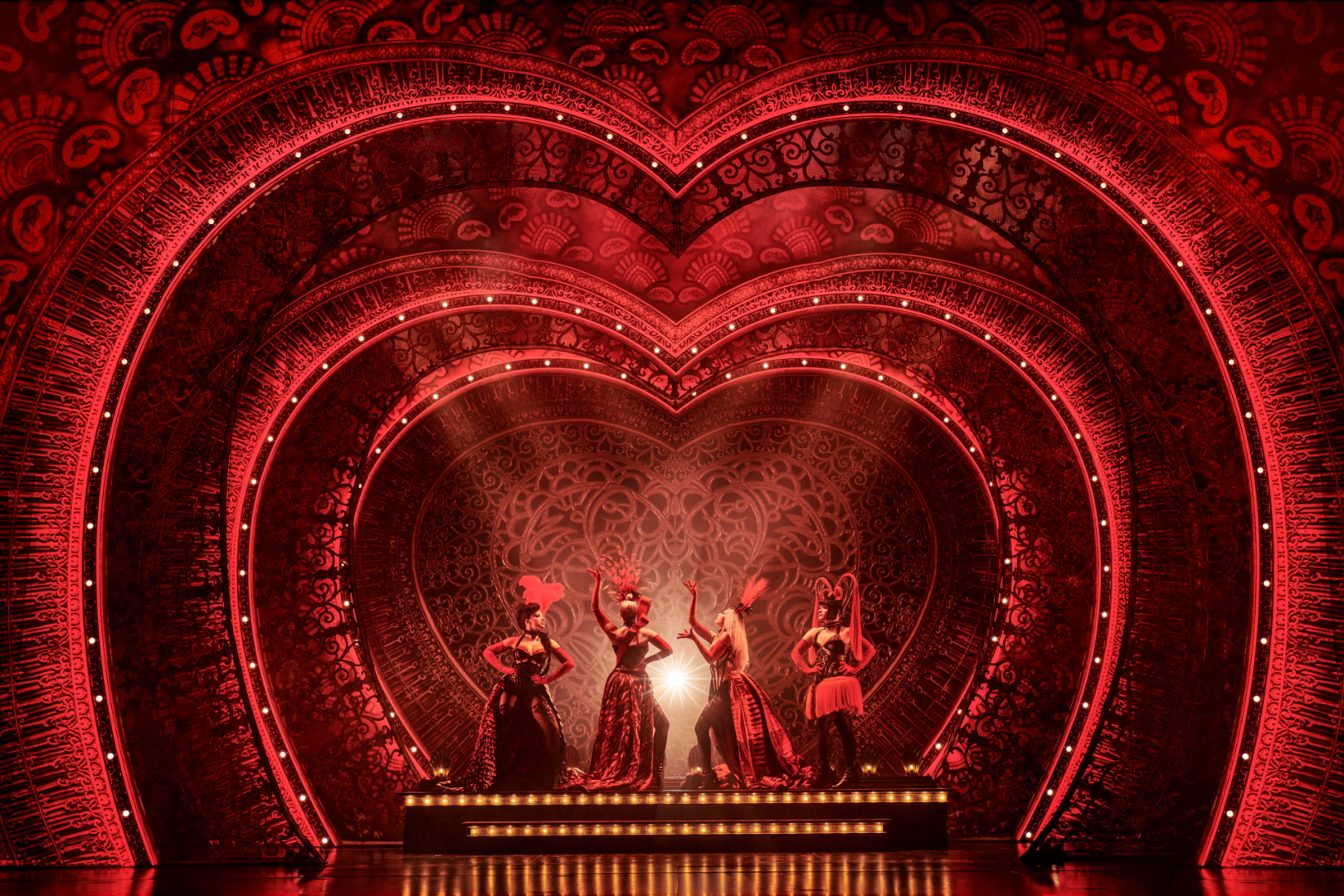
When I found out I was going to get the chance to see Moulin Rouge! The Musical, I knew I had to do my homework. I had vague memories of the film from 2001, I knew it was the third and most extravagant of Baz Luhrman’s Red Curtain Trilogy, and I remembered it had made waves when it was released, but when I rewatched it last weekend I struggled to remember why. Clocking in at just over two hours, it was almost absurd in it’s excess, but there seemed to be no time to learn to love or hate the characters, the story was laid out from the beginning, and it took an interminable length of time to get to the ending you already knew would happen.
I’m happy to say this musical has given depth to so much more of the story, and really breathed life into the characters in a way that the film failed to do. The comic characters are more than just caricatures, Christian and Satine are fully developed and show-stoppingly earnest, and the Duke is played so well by James Bryers that the audience almost started a pantomime villain hiss when he came out for his bow.
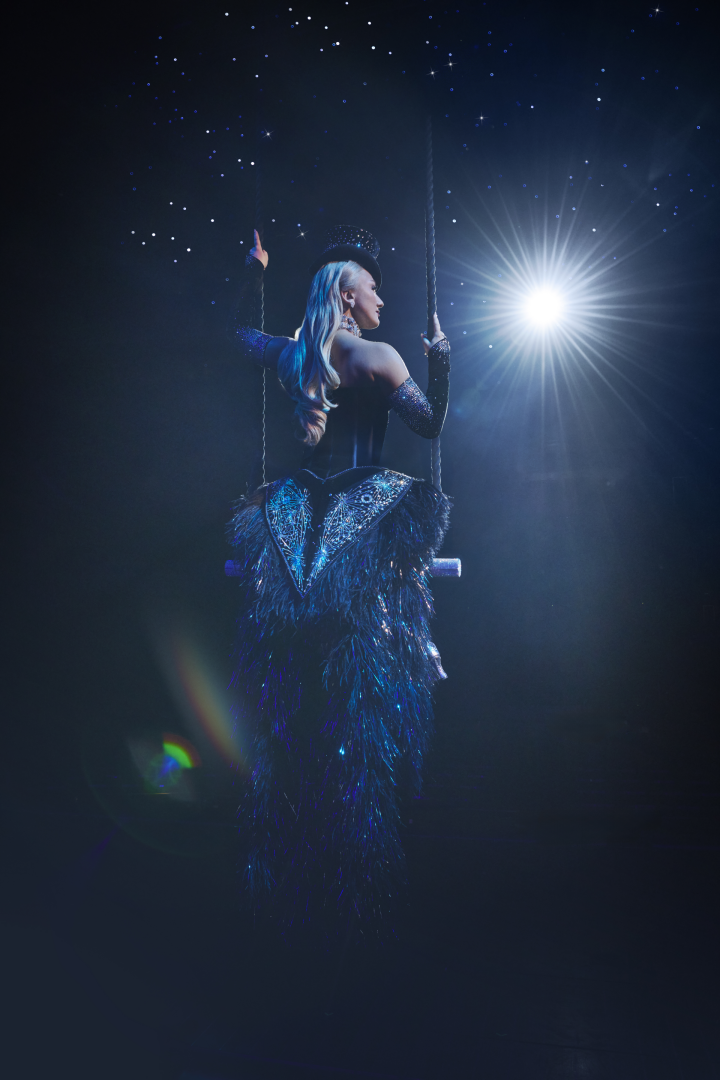
Verity Thompson gave a flawless performance as Satine, her ability to use these scraps of songs and make them tell her story was completely engrossing. When faced with the choice of devoting herself to the Duke in exchange for a life raised up out of poverty or staying with the man she loves, her reprise of Diamonds are Forever was drenched with the pain of indecision and uncertainty. Despite the lyrics coming from different people, and in some cases different eras of music history, she managed to make them her own and convey exactly what her character was feeling. Her singing was incredible throughout, both in harmony with others and stealing the show with her solo numbers.
The script tacitly, and sometimes overtly, acknowledged the ridiculousness of it all. Nate Landskroner as Christian was particularly good at walking that line between lovesick romantic and narrative realist. At various points he addresses the audience, to make sure we’re following the story amid the extravagant costumes and musical mash ups. At one point he says something like “Try to remember the first time you felt real love, remember how that felt? This next bit will make a lot more sense if you keep that in mind.”
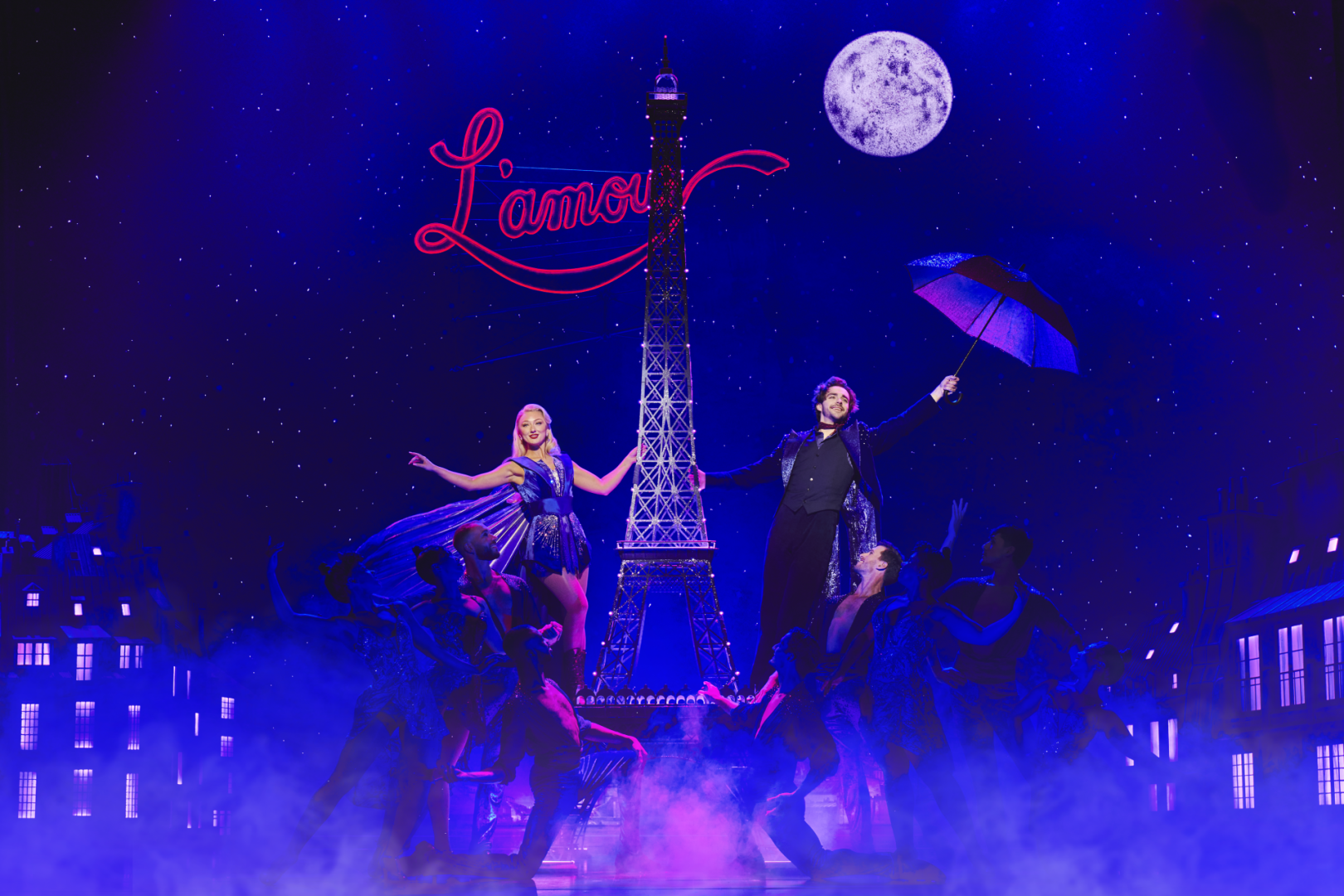
There are 74 songs listed in the programme, the occasional original penned by Baz Luhrman for the film, but mainly they’re pulled from the playlists of pop culture. For me, there was the right balance of nostalgia and novelty, and you could tell when it hit the mark for different parts of the audience, knowing chuckles would ripple through the crowd as they recognised lines from the likes of Dolly Parton, Tina Turner and Outkast. I didn’t know all of them, but it didn’t matter because the words were chosen so intentionally that they told the story first and weren’t just a cheap nod to trends. The ones which are most central to the movie remain, including a high-powered opening number of Lady Marmalade.
Director Alex Timbers gave an interview during the show’s run in 2021 where he talked about the challenges of moving this iconic story from screen to stage.
“You can jump cut to a song, you can crossfade between songs, and sometimes hearing two songs at the same time gives you that sort of delightful dizzying effect that I find so thrilling in the movie,” he says.
“The song is the closeup, and I think your lighting designer [Justin Townsend] is your editor, focusing your eye: Look over here! Look over here!”
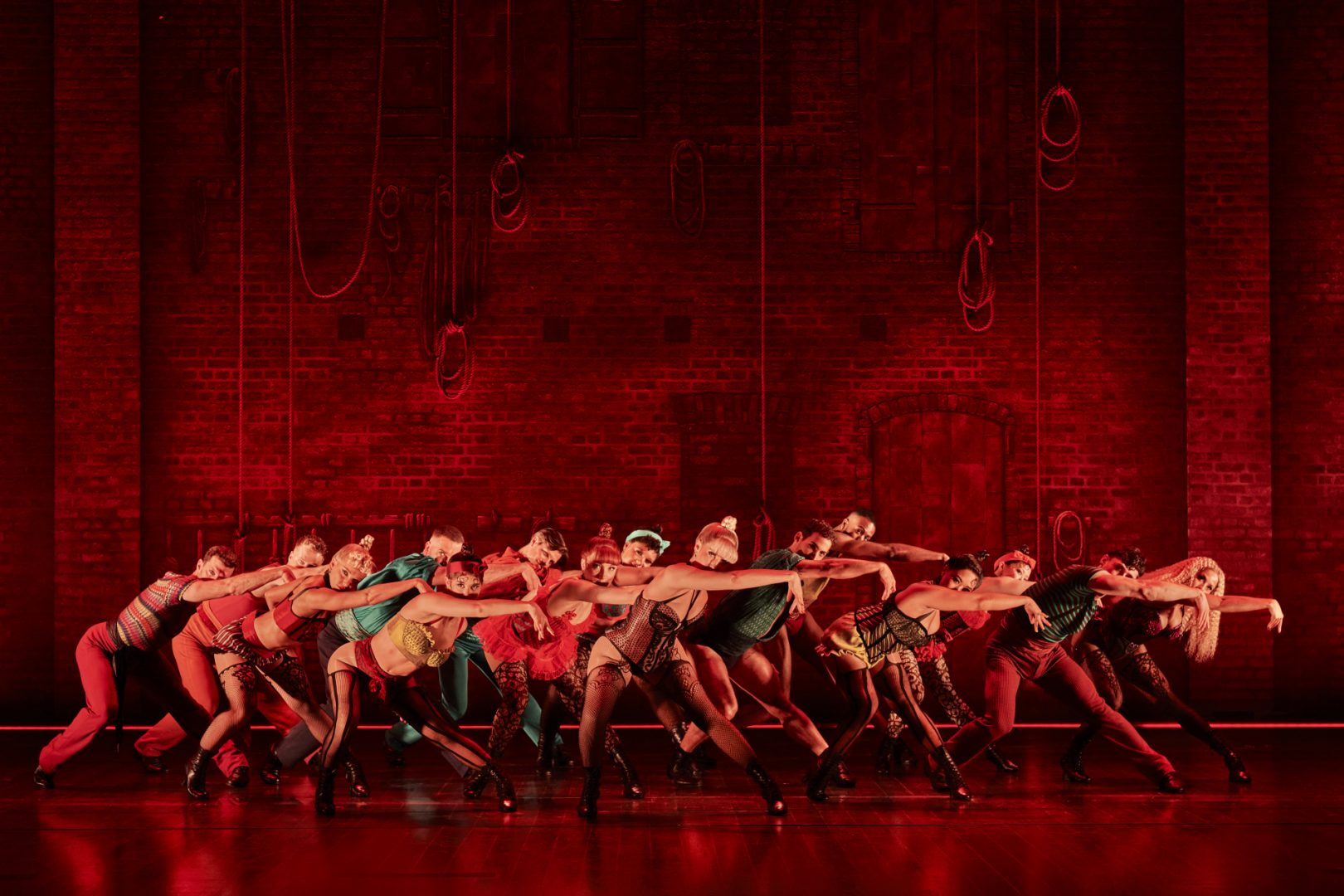
It’s hard to praise one aspect without praising it all, the lighting was a feat of choreography in itself, with spotlights and shadows expertly directing your attention, and absinthe lighting up the glasses of the drinkers as it was “poured” from a glowing green bottle. The ensemble did some of the best dancing I’ve seen on the Hippodrome stage and managed to belt out incredible harmonies as they did it. The orchestra were so tight in their performance that it was easy to forget that the music was being played live as we watched, but I wonder if it was a problem how much confetti made its way into the orchestra pit.
Overall, if you’re expecting a frame by frame remake of the film on stage, you might come away disappointed, but if you want to revel in the Bohemian ideals of Truth, Beauty, Freedom and Love for a few hours then you might just find the Moulin Rouge is more than a club, it’s a state of mind.
Moulin Rouge! The Musical is playing at the Hippodrome from now until 15 November, and you can get your tickets here.