

Black Is The Colour Of My Voice
Sharon Boadu Reviews at The Rep Birmingham
Florence Odumosu delivered a spectacular performance during her one – woman show, Black is the Colour of my Voice, which is inspired by and mirrors the life story of one of the greatest talents in the 20th Century, the High Priestess of Soul and the Civil Rights Movement activist, Nina Simone. Nina Simone’s life story is essentially portrayed through a series of reminiscences, using memorabilia collected from significant events and moments from the past and packed in a suitcase. Apphia Campbell, writer and director, adopted the pseudonym ‘Mena Bordeaux’ which I didn’t quite understand at first as the performance is about Nina Simone. I later understood it as a form of expression which was to give Apphia creative freedom in writing the play while sticking closely to the well – documented life of the real Nina Simone.
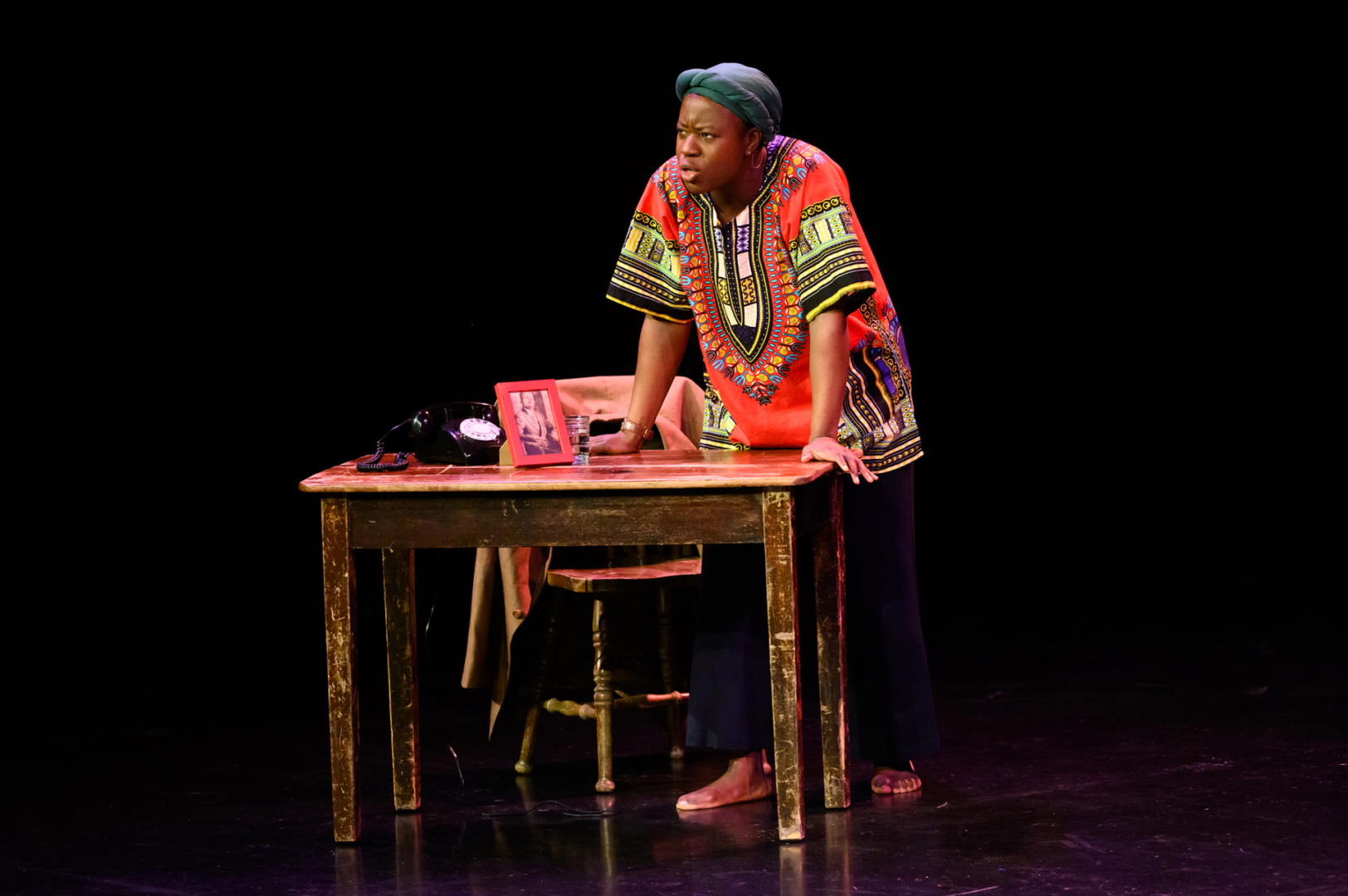
Throughout the performance, Nina, played by Florence, is having a conversation with the spirit of her late father, John, and reminiscing some the milestones that shaped her, her career and her purpose in life. This portrayal is incorporated with performances of her most well – known songs including Black is the Colour and Mississippi Goddam. Her life outpourings start from the time her mother discovered her to be a child prodigy and travels through the inequalities, racism and abuse she experienced and how she used her gift and talent in music to support the fight against these systemic atrocities, eventually making her the voice of the civil rights movement.

There is a lot of love, longing and regret expressed in the performance which is almost palpable to the audience and its evocation incredibly moving. Florence Odumosu’s incredibly vocals did justice to mirroring the brilliance of Nina’s vocals and every music sang was truly dazzling and fitting for a tribute to one of the 20th century’s greatest talent.

One of the outstanding moments portrayed in this performance was when Nina Simone refused to perform on stage at the age of 11 when she witnessed her parents experience racism when they asked to sit at the back of the room to make space for a white family. The sense of social justice and spirit of defiance which was triggered that day was carried through Nina’s entire life and career and showed her strength and powerful character she possessed as a woman in those days. We also get a glimpse into the abuse she experienced in her marriage, and the raw fear, pain and incredulity was brilliantly performed and difficult to watch at the same time.

This play serves as a great learning curve to all who watched it, to understand how systemic injustice showed up then and to inspire many to be the voice of change in their communities.